Exploring Earth-Friendly Practices for Biodiversity and Climate Resilience
In our rapidly changing world, where the impacts of climate change are becoming increasingly evident, nurturing ecosystems has never been more critical. The days when humanity believed we could conquer nature are well behind us. Today, we understand that the survival of our planet relies on our ability to partner with nature. Think of the Earth not as an adversary, but rather as our greatest ally in the quest for a sustainable future. How can we cultivate this partnership?
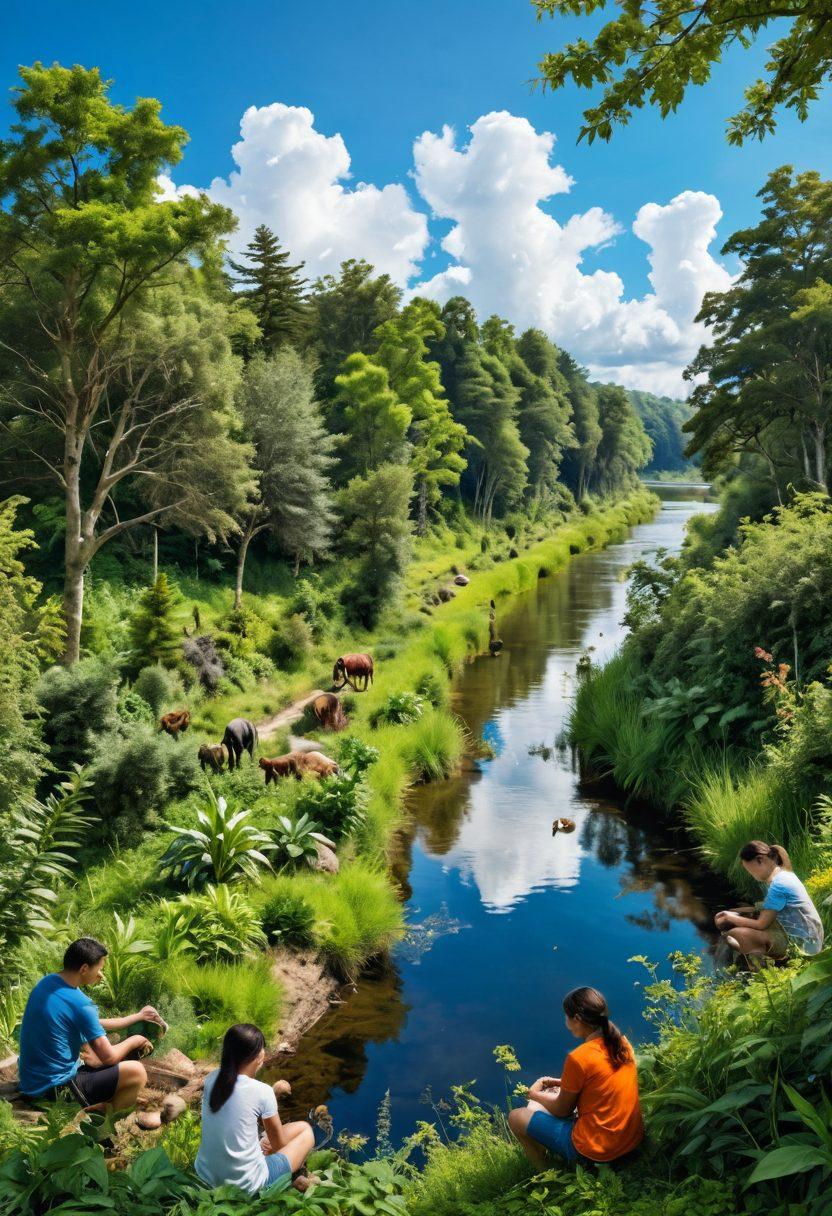
Imagine walking through a lush forest, vibrant with life. You might see towering trees, a burst of flowers, and perhaps hear the cheerful song of birds. These aren’t just beautiful sights; they represent interconnected ecosystems that provide invaluable services such as cleaner air and water, climate regulation, and habitat for countless species. By preserving and enhancing these habitats, we are championing biodiversity and, by extension, climate resilience. So, how can we take actionable steps to protect these vital biomes?
One effective way to engage with our ecosystems is through sustainable practices, such as supporting wildlife conservation initiatives. Have you ever wondered how your lifestyle choices impact local wildlife? From reducing waste to recognizing the importance of native species in our backyards, every action counts. As we promote environmental awareness, we can inspire others to engage in organic living and take pride in our collective responsibility toward natural conservation. Together, we can reduce our carbon footprint and make tangible contributions to renewable energy initiatives that benefit both the environment and our communities.
Another noteworthy approach involves implementing green technology. With the rise of innovative solutions geared towards pollution reduction, we can work hand-in-hand with nature. For instance, consider how solar panels and wind turbines empower us to harness natural resources in an eco-friendly manner. This not only helps to mitigate climate change effects but also fosters a community dedicated to climate action. As a society that thrives on creativity and innovation, let’s explore ways to utilize technology for the betterment of our ecosystems.
Lastly, it's crucial that we advocate for strong environmental policies that prioritize sustainability. Engaging in discussions at local town halls, sharing knowledge online, or simply educating friends and family can amplify our voices. Every small effort helps pave the way toward a more sustainable future. As we continue to nurture our ecosystems, remember this quote: "The Earth does not belong to us; we belong to the Earth." How will you embrace the partnership with nature today?
Wildlife Conservation and Sustainable Practices: A Pathway to Climate Resilience
Wildlife conservation and sustainable practices are not just buzzwords; they are crucial lifelines for our planet. Imagine walking through a lush forest where the songs of birds fill the air, and vibrant flowers are in every shade of the rainbow. This vibrant scene is a testament to our planet's biodiversity, the intricate web of life that sustains our ecosystems. With increasing threats from climate change, pollution, and habitat destruction, the call for stronger environmental policies has never been louder. We need to ask ourselves: How can we ensure that the biomes we cherish today will flourish for generations to come?
To put it simply, wildlife conservation is about prioritizing the preservation of our precious natural resources and the habitats that house countless species. When we think of sustainable practices, we often think of recycling or reducing our carbon footprint. However, it’s so much broader than that. It's a commitment to living in harmony with our environment. By adopting earth-friendly habits, like supporting renewable energy initiatives or choosing organic living options, we take significant steps towards protecting biodiversity and enhancing climate resilience. Each small change can lead to substantial impacts when multiplied by many.
Consider this: each time you choose to support wildlife conservation, you make a meaningful contribution to reducing pollution and restoring habitats. It’s like casting a vote for the planet. Every action counts! Remember the story of the Giant Panda? Once regarded as an emblem of extinction, efforts like habitat restoration and legal protections have seen their numbers rise. This is proof that with environmental awareness and combined efforts, we can change the narrative. What if our cities were filled with green technology innovations that supported wildlife, like urban gardens and green roofs? The possibilities are endless!
Now, here’s a thought-provoking question: What role do you think individuals can play in the conservation of ecosystems? By becoming advocates for sustainable practices in our communities, we cultivate a culture of environmentalism. Joining initiatives that promote climate action or participating in local natural conservation projects can bridge the gap between awareness and tangible outcomes. Plus, fostering a love for nature in the younger generation ensures that future stewards of the earth are equipped with knowledge about the importance of biodiversity.
Finally, it’s vital to recognize that wildlife conservation is not just the responsibility of environmental organizations; it's a shared commitment that we all must embrace. Whether it’s through reducing our reliance on single-use plastics, exploring renewable energy alternatives, or simply educating ourselves and others about the interconnections between habitats, every effort matters. Together, we can pave a pathway to climate resilience, where ecosystems thrive, and wildlife flourishes. Let’s take action now, because tomorrow’s biodiversity depends on the decisions we make today!
Harnessing Green Technology: Innovative Solutions for Biodiversity and Pollution Reduction
In a world increasingly shaped by human activity, the call for environmentalism has never been louder. We are at a critical juncture where the need to protect our ecosystems and improve climate resilience is paramount. The question on everyone's mind is, how can we harness green technology to create innovative solutions for biodiversity and pollution reduction? As we delve into this topic, we must recognize that our actions today will dictate the health of our planet for generations to come. So, let's explore how these innovations can lead to more sustainable practices and a brighter future for all living beings.
From the depths of lush forests to the stark beauty of arid deserts, our planet is home to a diverse array of biomes and habitats. Each of these unique environments plays a crucial role in maintaining biodiversity, providing natural resources, and supporting wildlife conservation. Yet, these very ecosystems are under threat from pollution and climate change. How can green technology serve as a safeguard for these vital habitats? By implementing renewable energy sources, we can drastically reduce our carbon footprint, creating cleaner air and healthier ecosystems. Imagine a world where solar panels harness the sun’s energy to power entire cities, while wind turbines provide energy to remote communities. Can you envision the positive impact such changes could have on our environment?
As we think about this transformative potential, consider the stories of entrepreneurs and innovators who are already making a difference. For instance, a group of engineers developed a revolutionary bioremediation technique using naturally occurring microbes to clean up oil spills. Their earth-friendly approach not only restores habitats but also highlights the power of innovation in pollution reduction. When we champion these green technologies, we become active participants in climate action, ensuring our planet's health and integrity. The power of such stories resonates with us and encourages collective efforts toward environmental sustainability.
What role does individual responsibility play in promoting these innovations? The truth is that everyone's actions matter. The choices we make in our daily lives—such as opting for organic living, supporting businesses that prioritize natural conservation, or advocating for smart environmental policies—can significantly impact biodiversity. Just imagine if each of us committed to reducing plastic use or investing in green technology. How much would these shifts contribute to safeguarding our earth's ecosystems? We have the power to inspire environmental awareness and change the narrative around our relationship with nature.
Lastly, let's recognize that while technology holds immense potential, it's our collective mindset that will drive real change. By fostering a culture of sustainability and encouraging conversations around climate resilience, we can inspire future generations to take charge of our planet's future. As we strive for pollution reduction and biodiversity conservation, we must remember—every effort counts. So, what steps will you take today to harness green technology and contribute to a more sustainable tomorrow? Together, we can pave the way for a healthier planet, proving that innovation and environmental stewardship go hand-in-hand.